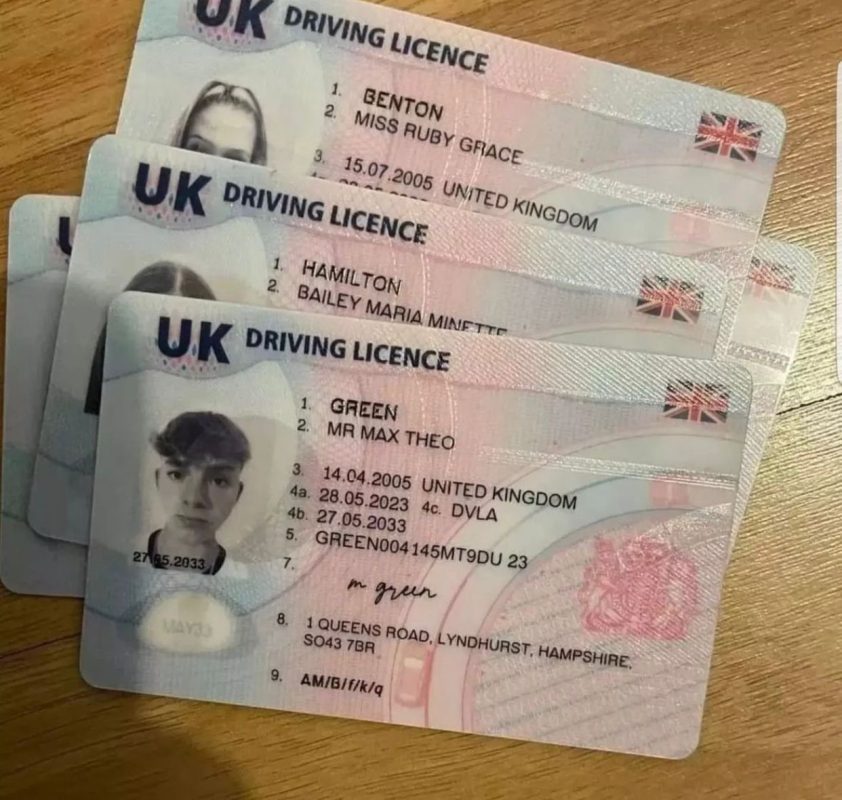
Understanding the UK Driving License: Requirements, Types, and FAQs
In the United Kingdom, obtaining a driving license is a vital action for many people looking for self-reliance and mobility. The UK driving license system is structured and extensive, targeted at making sure that all drivers are qualified and roadworthy. This post will dig into the specifics of obtaining a UK driving license, the various types of licenses readily available, and resolve some frequently asked questions to offer a clearer understanding of this necessary aspect of British law.
Types of UK Driving Licenses
The UK provides various classifications of driving licenses based on the kind of car that people want to operate. Comprehending these classifications is important for both brand-new drivers and those looking to update their existing licenses. The main types include:
- Full Driving License: This is the most common kind of license, allowing people to drive automobiles and other motor vehicles.
- Provisionary Driving License: This is released to brand-new drivers who have actually used to take their driving test. It allows students to drive under certain conditions (e.g., accompanied by a certified driver) while they get ready for their driving test.
Bike License: This allows individuals to operate motorbikes. The motorbike license can even more be partitioned into:
- AM: Moped license
- A1: Light bike license
- A2: Medium bike license
- A: Full motorbike license for larger bikes
- Business Driving License: For those who intend to drive business lorries, such as buses or heavy items vehicles (HGVs). These licenses require extra recommendations and training.
- Driving License for Special Vehicles: This includes licenses for specific vehicle types like tractors or particular types of agricultural equipment.
Requirements for Obtaining a UK Driving License
1. Age Requirement
To apply for a provisional driving license in the UK, an individual need to be at least 17 years of ages. However, one can request a license at 16 if meaning to drive a moped.
2. Residency and Identification
Candidates need to be homeowners of the UK and offer recognition. Acceptable forms of ID include:
- Passport
- Birth certificate
- National Identity Card
3. Medical Fitness
Candidates need to state if they experience any medical conditions that may affect their ability to drive. Some conditions require a medical exam or notice to the Driver and Vehicle Licensing Agency (DVLA).
4. Passing the Theory Test
Before getting a useful driving test, prospects should pass a theory test. This test assesses knowledge of the Highway Code, roadway signs, and safe driving practices. It consists of:
- A multiple-choice area
- A hazard understanding test
5. Practical Driving Test
When the theory test is passed, candidates can reserve a useful driving test. This assessment assesses an individual's driving skills behind the wheel and ensures they can run an automobile safely in different conditions.
6. Application Process
Lastly, people should submit a driving license application kind and pay the applicable cost. This kind can be finished online or through paper applications offered at post offices.
Reasons to Obtain a UK Driving License
Acquiring a driving license opens many chances for people:
- Independence: Driving allows for higher liberty in individual travel, eliminating the requirement to rely on public transportation.
- Employment: Many jobs require a complete driving license, especially positions involving transport or travel.
- Security and Responsibility: Learning to drive enhances the significance of roadway safety and the obligations that come with operating a lorry.
Frequently Asked Questions (FAQs)
1. For how long does it take to get a driving license in the UK?
The time it takes to get a driving license varies from individual to individual. After getting the provisionary license, it frequently takes numerous months to discover and get ready for the tests. The process might take longer for those who battle with the theoretical or useful components.
2. Can I drive instantly after passing my test?
- Complete Driving License: Yes, you can drive as quickly as you've passed your useful driving test, offered you have your full driving license.
- Provisionary Driving License: If you have a provisional license, you need to still follow the guidelines (e.g., having actually a certified driver accompanying you up until you pass).
3. Can I drive in other nations with a UK driving license?
Yes, a UK driving license is normally recognized in many nations worldwide. However, it is suggested to inspect the requirements for the particular country, as some may need an International Driving Permit (IDP) in addition to the UK license.
4. What should I do if I lose my driving license?
If a driving license is lost, the person needs to report it to the DVLA as quickly as possible and apply for a replacement license online or by submitting a paper kind. driving license online requires a fee.
5. Can I drive if I have a medical condition?
Lots of medical conditions can affect an individual's ability to drive. It is important to notify the DVLA about any diagnosis that may impair safe driving. The DVLA will evaluate each case on an individual basis, and driving may be limited or temporarily prohibited until medical physical fitness is verified.
The procedure of obtaining a UK driving license is created to be extensive to guarantee the security of all road users. By comprehending the requirements, types of licenses, and knowing the responses to typical questions, potential drivers can browse their journey towards driving self-reliance with confidence. Whether for individual use or expert reasons, a UK driving license is a necessary asset that allows people to engage with the world around them more easily.